Categorie
Nuovo blog
Sistemi audio intelligenti per centri commerciali reinventati: la creazione di un sistema PA IP aperto e scalabile con integrazione SIP e ONVIF.
February 27 , 2026
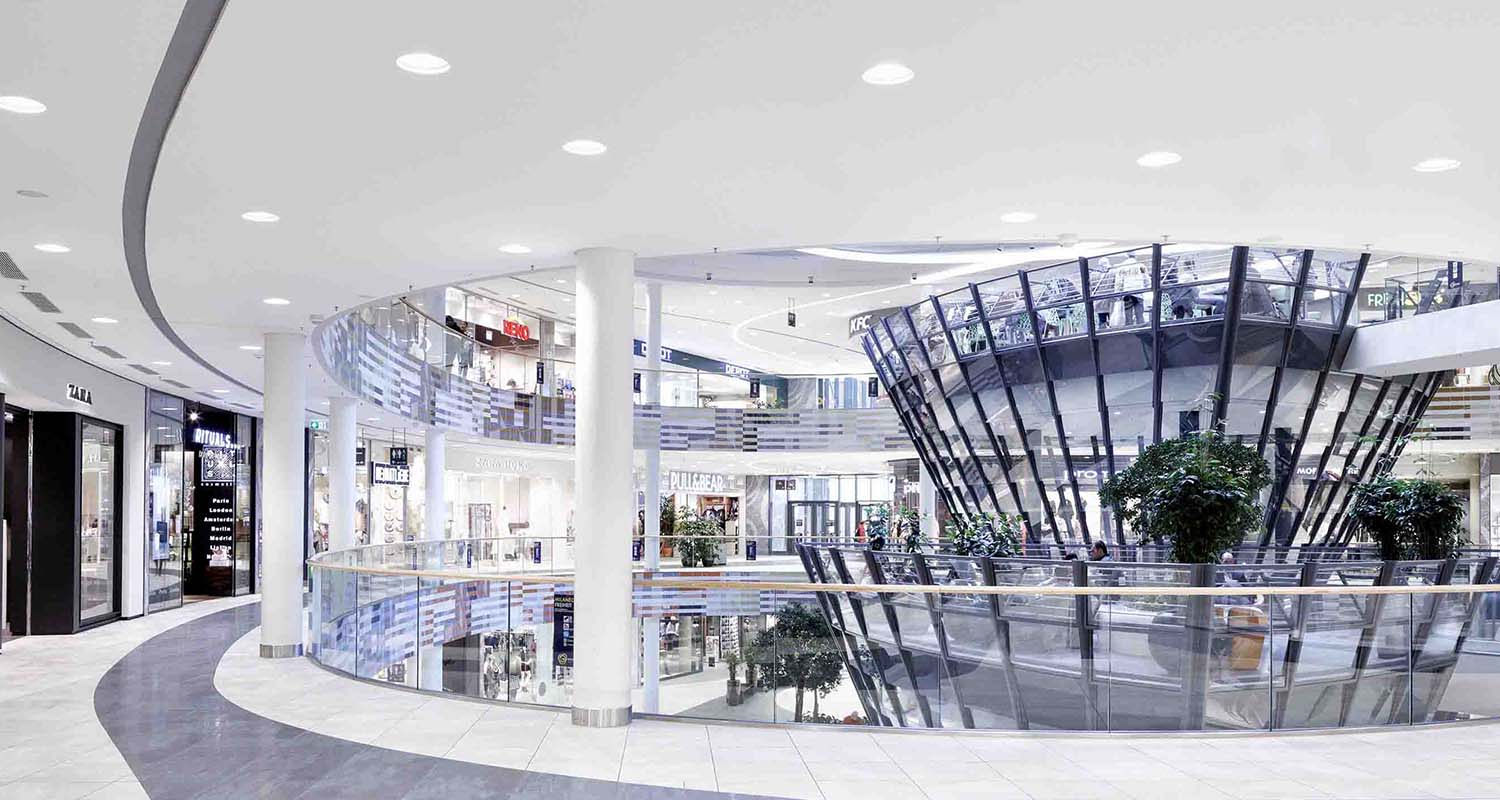
La trasmissione analogica tradizionale spesso si scontra con problematiche quali la limitata suddivisione in zone, la complessità del cablaggio e la scalabilità ridotta. L'audio basato su IP offre un'alternativa, spostando il controllo, la trasmissione e la gestione sulla rete dati. Ogni terminale può funzionare come nodo indipendente e indirizzabile, rendendo più flessibili la gestione delle zone, la riproduzione programmata e il monitoraggio remoto.
Grazie al controllo basato su software, gli operatori possono fornire contenuti diversi a singoli piani, aree commerciali o spazi pubblici senza dover modificare l'hardware. Ciò può risultare utile nei grandi complessi commerciali, dove le esigenze degli inquilini, le campagne promozionali e i flussi di traffico variano nel corso della giornata.
Annunci chiari sono essenziali in ambienti affollati e rumorosi. Gli altoparlanti di rete TONMIND utilizzano codec audio a banda larga come OPUS e G.722 per garantire la chiarezza di voce e musica, assicurando che gli annunci rimangano comprensibili anche in aree affollate. La riproduzione programmata può gestire messaggi di routine.
,
saluti iniziali, loop promozionali e promemoria finali
,
mentre la diffusione in tempo reale delle informazioni consente annunci rapidi quando necessario.
Per aree aperte come atri, ingressi e parcheggi, i modelli a tromba ad alta pressione sonora (SPL) offrono una potenza fino a 120 dB, garantendo un'ottima copertura. Gli involucri resistenti agli agenti atmosferici e l'alimentazione PoE semplificano l'installazione all'aperto o in aree semi-esterne senza necessità di ulteriori interventi elettrici.
L'interoperabilità è sempre più importante negli edifici commerciali. Supportando
SORSO
I dispositivi TONMIND possono integrarsi con sistemi telefonici VoIP e piattaforme IP-PBX, consentendo al personale di avviare chiamate di paging da telefoni standard o console di controllo.
ONVIF
La compatibilità consente inoltre di collegare l'audio ai sistemi di gestione video, in modo che possa essere attivato da eventi delle telecamere o flussi di lavoro di sicurezza.
Questa combinazione di audio, telefonia e video consente al sistema di diffusione sonora di integrarsi in un sistema più ampio di smart building, anziché rimanere un semplice strumento di trasmissione autonomo.
Gli ambienti commerciali possono trarre vantaggio da una suddivisione flessibile in zone. I singoli negozi possono ricevere contenuti promozionali mirati, mentre le aree comuni mantengono la musica di sottofondo. È possibile creare gruppi di trasmissione temporanei tramite software per eventi speciali, senza dover ricablare l'impianto. Lo streaming multicast contribuisce a ridurre la larghezza di banda, consentendo la riproduzione sincronizzata su più dispositivi.
Perché ognuno
Altoparlante IP
Essendo alimentato e connesso tramite Ethernet standard, l'installazione risulta più rapida e le future espansioni richiedono solo l'accesso alla rete. Il software di gestione centralizzato fornisce informazioni sullo stato in tempo reale, avvisi di guasto e configurazione remota, contribuendo a ridurre la manutenzione in loco.
In situazioni di emergenza, velocità e chiarezza sono fondamentali. Il sistema di paging di rete supporta la priorità assoluta, garantendo che i messaggi di evacuazione interrompano istantaneamente le normali comunicazioni audio. L'integrazione con i sistemi di allarme antincendio o di sicurezza consente l'attivazione automatica di istruzioni preregistrate, aiutando a guidare gli occupanti verso le uscite di sicurezza.
Gli ingressi di allarme e le API HTTP consentono inoltre il collegamento con piattaforme di controllo accessi, rilevamento intrusioni e automazione degli edifici, creando risposte coordinate tra più sottosistemi.
TONMIND si concentra sullo sviluppo di soluzioni audio di rete scalabili per edifici commerciali, strutture sanitarie, snodi di trasporto e grandi spazi per eventi. Grazie a una solida base di ricerca e sviluppo e a un portfolio completo che include altoparlanti, adattatori per cercapersone, microfoni e software di gestione, l'azienda offre architetture audio IP complete, personalizzate per ambienti complessi.
I modelli a parete e a soffitto offrono una copertura interna bilanciata, mentre le unità esterne ad alta potenza sono ideali per ingressi e aree di parcheggio. Le opzioni di alimentazione flessibili (PoE o CC), l'autenticazione di rete sicura e la gestione remota del firmware garantiscono un'affidabilità operativa a lungo termine.
Con l'evoluzione dei centri commerciali verso la segnaletica digitale, la sicurezza intelligente e le operazioni basate sui dati, l'audio deve integrarsi perfettamente con l'infrastruttura IT più ampia. Un sistema di diffusione sonora basato su IP e su standard aperti consente il controllo centralizzato, la suddivisione flessibile in zone e l'automazione tra i sistemi, supportando sia un'esperienza cliente coinvolgente che una piattaforma di sicurezza affidabile.
In questa configurazione interconnessa, l'audio non è più solo un suono di sottofondo. Diventa parte attiva dell'ambiente commerciale intelligente, supportando l'efficienza della comunicazione, la flessibilità operativa e la sicurezza degli occupanti in tutto il centro commerciale.